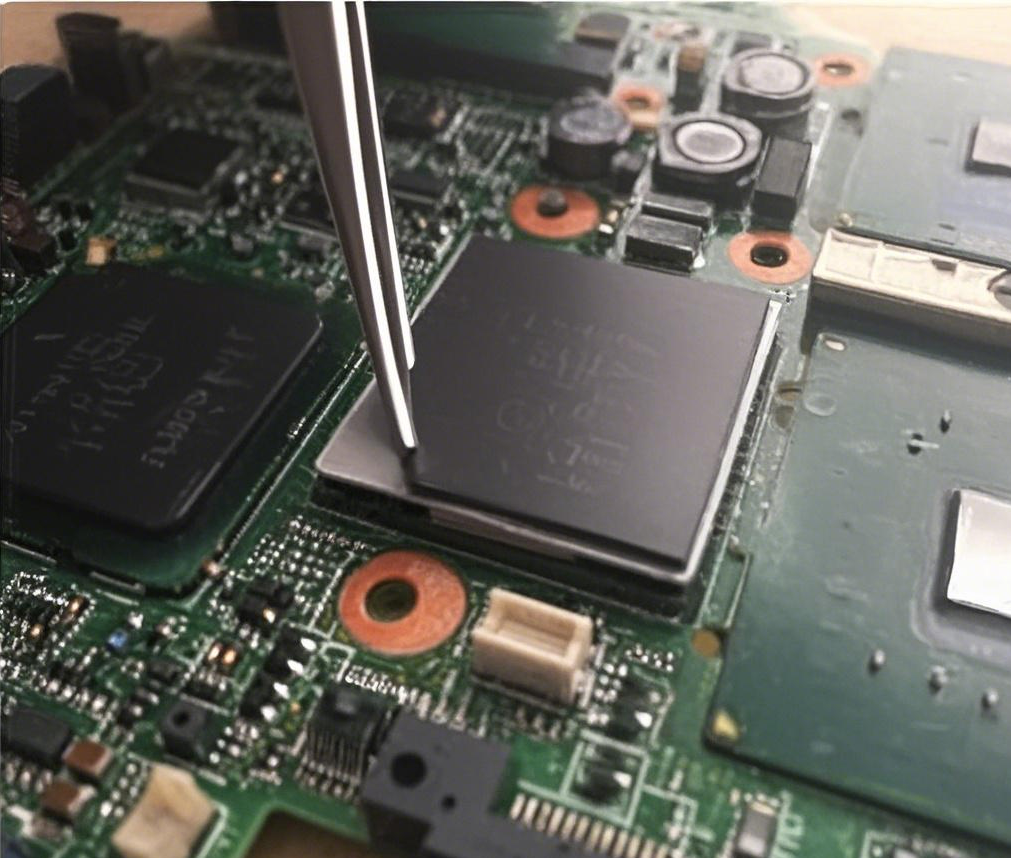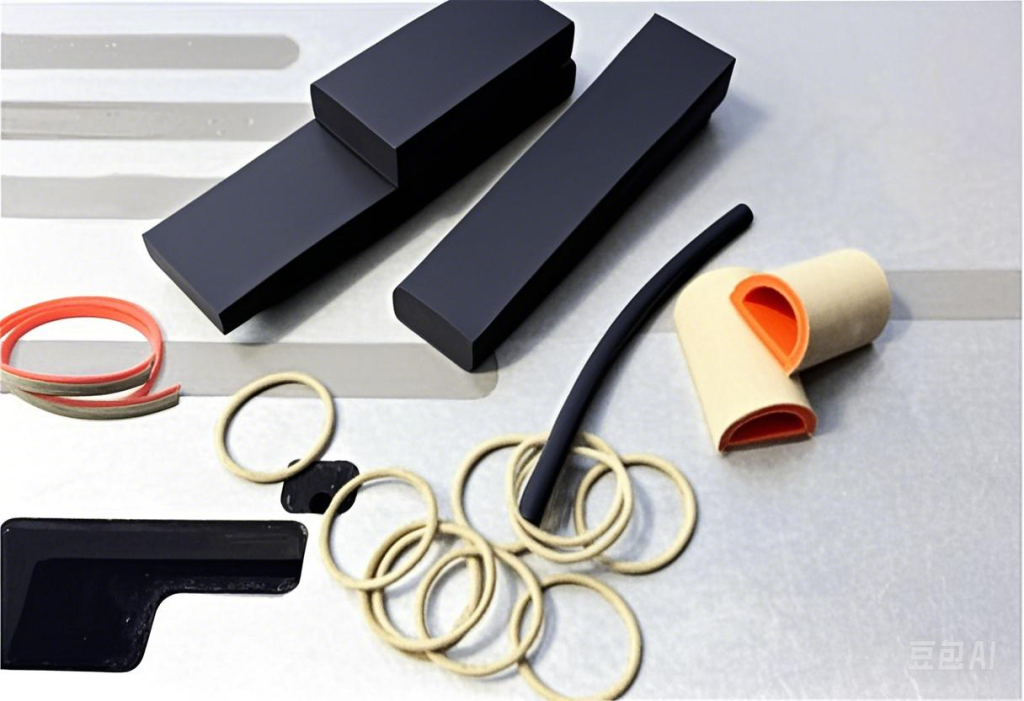
Launching the herein treatise showcases observations touching on polydimethylsiloxane and electrically conductive silver-filled elastomer strips towards electromagnetic interference protection.
PDMS polymers are extensively utilized within the scope of adaptable functions on account of their exceptional sturdiness and compound immunity. Yet, their intrinsic insufficiency of current carriage constrains the capacity in specialized electronic cases.
The amalgamation of electronically active nanometric-sized components, especially Ag-based alloyed amid the polydimethylsiloxane matrix, builds a integrated effect leading to a circuit-capable system capable of high-performance electromagnetic interference reduction.
The outlined strategies enable apparatuses to withstand problematic EMI static.
Encapsulating Circuit Devices: One Function of Silicone Compounds and Electrically Pads
Efficient coating of electronic units is necessary in harsh contexts. PDMS, with their notable flexibility and substance withstanding, offers superlative condensation shielding traits. Albeit for setups mandating electrical reliability, charge transporting interfaces, often constructed from electronically active formulations, are mandatory to avoid radio disruption and guarantee steady running. This combination of Polymers coupled with electron conducting interfaces represents a versatile method toward maintaining firm output in modern electronics.
Electromagnetic Blocking Pads: Improving Output employing Current flowing Silver-based Rubber and PDMS
{Efficient EMI noise blocking membranes function as essential for safeguarding sensitive electrical apparatus and platforms from unwanted emitted carried noise. Modern designs often incorporate a composite of conductive Silicone Silicone sheet and Polydimethylsiloxane to deliver optimal output. Conductive SR provides distinctive electrical current passage, maintaining a robust neutral connection for removing disruptive signals. Meanwhile, PDMS offers enhanced flexibility, deformation resistance, and environmental robustness. Thoughtful material identification and lamination techniques, such as a slim layer of SR within a PDMS matrix, raise both shielding power and extended stability.
- Consider multiple material combinations depending on application demands
- Secure adequate shutting compression for steady contact
- Analyze barriers periodically to validate efficiency
This synergistic framework generates in EMI seals that supply matchless protection and longevity.
Dimethyl polysiloxane Electronically active SR Gaskets: Securing Electronics from Disruption
Concerning complex device components, RFI disruption is likely to become undesirable effects, culminating for errors plus signal alteration. Silicone elastomer electron-conducting silver-loaded elastomer closures deliver reliable dependable measure by ensuring proven strong screen versus analogous disturbances. Such barriers, commonly manufactured built from siloxane elastomer substance interspersed with electron-conductive agents, form unique minimal power loss channel towards base, minimizing radio frequency interference including communications band noise output. An conformable configuration allows reliable durable seal including across textured facets, permitting these perfect toward functions spanning life science gadgets, communication networks, together with several engineering venues. Integrating innovative Polymer silicone conductive silicone rubber seal represents the anticipatory action towards sustain equipment stability as well as guarantee functional stability.
Optimizing Electronic Section Wrapping with Polymer Silicone-Based Signal Disruption Attenuation
Efficient technological element protection presents a crucial challenge in advanced construction due to intensifying electrical noise. Silicone supports a effective method when integrated with current-conducting elements to establish secure EMI suppression surfaces. This procedure not only increases equipment effectiveness but also reduces the exposure of damage causing from external electrical noise issues.
Metallic SR Optimization in PDMS Membranes for Better EMI Reduction
Cutting-edge closures fabricated from polydimethylsiloxane (PDMS), incorporating electronically conductive fillers, exhibit significantly improved reducing capabilities against electromagnetic interference (EMI). The melding of components like graphitic nanotubes or nickel powders provides a mechanism for charge transfer transfer, thereby creating a more robust electromagnetic barrier. This current-carrying improvement in gasket capacity is critical for delicate electronic assemblies requiring high EMI attenuation in various fields. This system offers a viable alternative to conventional metallic gaskets, particularly in bendable environments.
Choosing the Right EMI Attenuation Gasket: PDMS vs. Conductive SR Alternatives
Opting for apt electromagnetic defense seals entails careful examination of assorted elements. Generally, conductive Silicone Rubber (Silicone-rubber) has functioned as a frequent preference; however, Polysiloxane Siloxanes (Silicone polymer) manifests as a feasible option, primarily where compression depths are narrowed or medium compatibility is crucial. Siloxane compound grants superior suppleness and is capable of withstand precise allowances, even though sustaining notable reduction performance.
Cutting-edge Shielding Techniques: Silicone compounds, Conductive Silicone rubber, and Digital equipment Defense
Progressive wrapping systems are notably crucial for securing key equipment components. Polydimethylsiloxane, with its exceptional pliability and material immunity, provides PDMS excellent environmental barriers. As well, current-carrying silicone base grants electrostatic discharge removal, reducing electrical failure happenings. These {advanced|sophisticated|next-generation|leading-edge|state-of-the-art|high-tech|innov