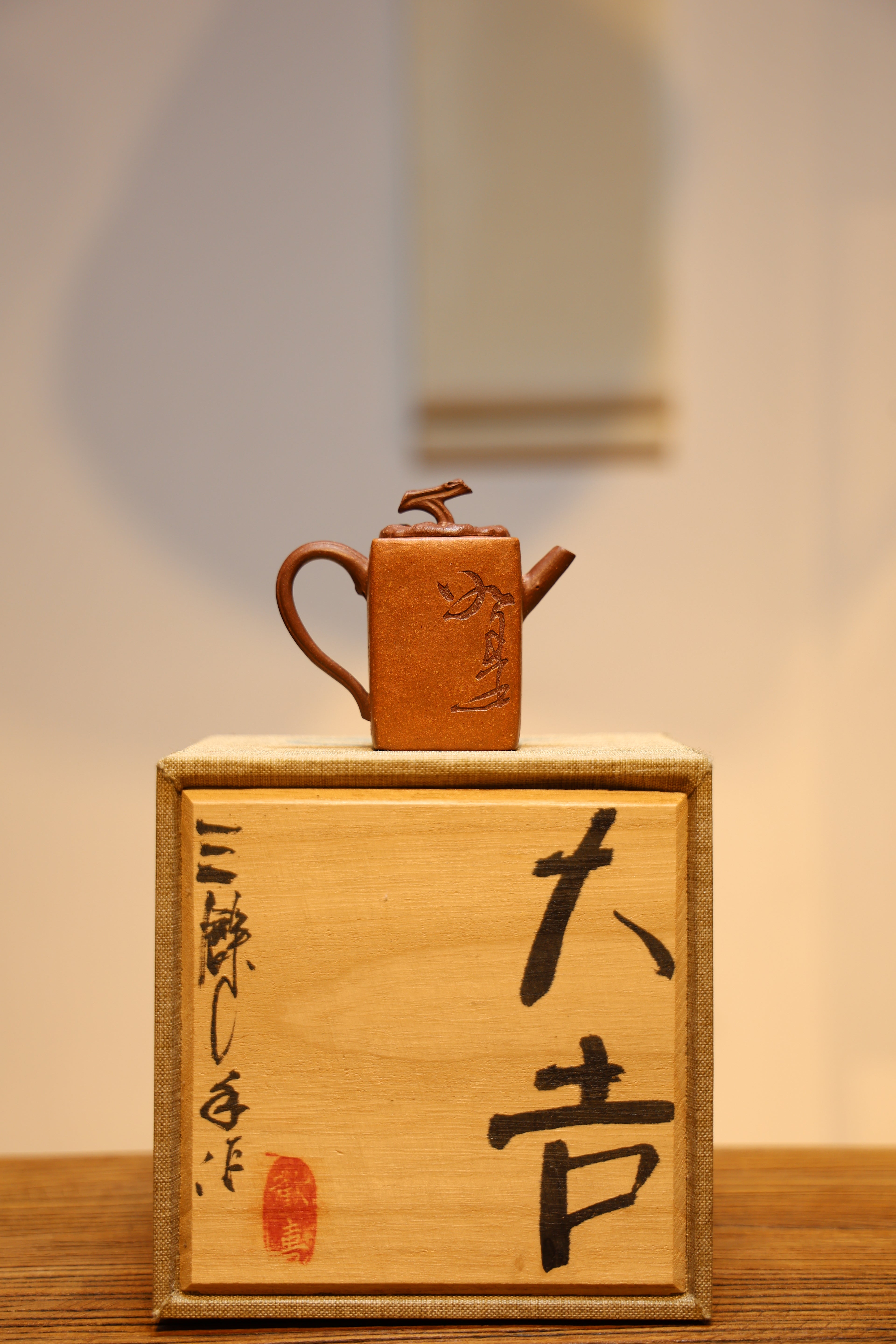
Across age-old chronicles,
Throughout decades, enthusiasts have been ensnared by the extraordinary charm of Yixing Zisha pitchers. Originating from the realm of Yixing in the Chinese province, these artifacts are renowned for their distinguished beauty, exclusive clay, and fundamental ability to elevate the note of the steeping. The clay's distinctive purple-red hue, combined with the skillful workmanship of Yixing's artisans, creates objects that are both functional art and coveted properties. Securing a Zisha teapot is more than just such a purchase; it's inviting a rich civilizational heritage.
Examining Yixing Teapots: Saga, Styles, and Cost
Famous Yixing teapots symbolize a vast record deeply intertwined with Chinese culture. Deriving in the Yixing region of Jiangsu province, these clay vessels contain a heritage reaching back to the Ming Dynasty. First examples were functional, but throughout centuries, Yixing teapot making evolved into an esteemed art form. The clay itself, known for its unique feature and ability to raise the flavor of the tea, endures a defining factor. Yixing teapots appear in various forms, broadly categorized by shape: Historic such as Zhuni (purple clay) and Bisheng, as well as refined designs. The merit of a Yixing teapot relies on several factors, including the potter’s reputation, the age of the piece, the rarity of the clay, and its aesthetic grace.- Chronology: Founding era
- Clay: Several sorts
- Estimation Aspects: Craftsman's renown
Zisha Pot Expertise: Practice and Potters
Unique construction of a genuine Zisha teapot is a elaborate process, requiring periods of experience. Seasoned artisans meticulously source the excellent Zisha clay, a uncommon earth found only in specific regions of China. Established techniques, often bestowed through families, involve careful shaping, sophisticated carving, and steady firing in ancient kilns. The concluding teapot isn't merely a container; it's a testament to inventive vision and the profound connection between the artisan and their legacy. Each creation showcases the particular touch of the fabricator, resulting in a truly unique work of design.
The Clayware: Discovering the Broad Heritage of Yixing Province
This Yixing, placed in Jiangsu Province, is worldwide renowned for its exceptional culinary pots – a tangible representation of centuries of Chinese heritage. These aren't merely vessels for manufacturing tea; they are intricate works of skill, often reflecting intellectual ideals. A unique purple clay, known as Zisha, possesses distinctive qualities: the clay dense, porous, Zisha Teapot and imparts a subtle character to the tea.
- Diverse families have honed the techniques of Yixing ceramic making, passing down time-honored methods through successions.
- Aficionados prize these pieces for their loveliness and exceptionality.
- Every container tells a account, connecting the partaker to a rich legacy.
Acquiring Yixing Zisha: Crucial Elements
Upon considering acquiring Yixing Zisha pots, diverse points involve careful scrutiny. Initially, the soil's tint is key; authentic Zisha conventionally exhibits a pronounced reddish-brown shading. Moreover, assess the workmanship; distinct characteristics and a silky covering signify adept craft. Eventually, analyze the producer's prestige; reputable names draw augmented amounts and often supply a reliable profit.
Crafting Tea with Zisha Clay Vessels
Preparing exquisite tea with a Zisha teapot is more outstripping a simple custom; it's an skill. Zisha clay, noted for its unique natural composition, imparts a refined character to the prepared tea that’s often absent with other materials. The fitting water climate is necessary; typically, softer than what's used for black tea, to maintain the tea's fragrance and zest. Consider mindfully the tea class; delicate green teas or aged pu-erhs flourish from the Zisha’s ability to soften their basic edge. It’s critical to preheat the teapot ahead of brewing, and to avoid over-steeping. Mastering this procedure leads to a veritably exceptional tea occasion.
- Understanding Zisha Clay
- Temperature Control & Tea Category
- Role of Pre-treatment
Preserving Your Yixing Earthenware
So as to ensure the continuity of your valuable Yixing teapot, habitual attention is utterly indispensable. Do not using harsh substances; instead, mildly rinse it with comfortably warm liquid. Dodge abrupt swings; please don't situate the container directly onto a hot foundation. Periodically, condition the jar by steeping it with first-rate black concoction, as this assists to amplify its patina and maintains the distinctive characteristics of the material.
Pertaining to Clay to Goblet: The Voyage of a Chinese Kettle
The creation of a Zisha teapot is a impressive process, a expression to both the ecosystem’s bounty and the ability of the specialist. It starts with the thorough extraction of the rare clay from the reddish Zisha mines neighboring Yixing. This raw material, known for its extraordinary peculiarities, is then patiently washed and configured for the beginning forming. The vessel’s figure is precisely made using a fusion of established hand-building techniques, often incorporating ornate figurings. Following drying, the vessel undergoes a decisive first firing, consecutively done by a glazing stage, which might involve various layers of earthy Zisha overlays. Finally, a second, and sometimes third, firing at powerful temperatures brings the creation, revealing its complete beauty and remarkable characteristics - a bona fide masterpiece, arranged to compliment a tea ceremony.
{Yixing Teapots: A Representation of Chinese Heritage and Respect
Esteemed Yixing teapots, originating from the prestigious Yixing region of Jiangsu province, are far more than mere ceramics for brewing infusions; they represent a weighty aspect of Chinese culture. Crafted from distinctive purple clay – zisha – these exceptional teapots are highly valued for their ability to complement the flavor of the tea and, crucially, for their artistic merit. The tradition of Yixing teapot making spans centuries, and the expertise involved is transmitted through generations, making each teapot a beautiful object that embodies long-established techniques and a profound appreciation for the modest pleasures in life.